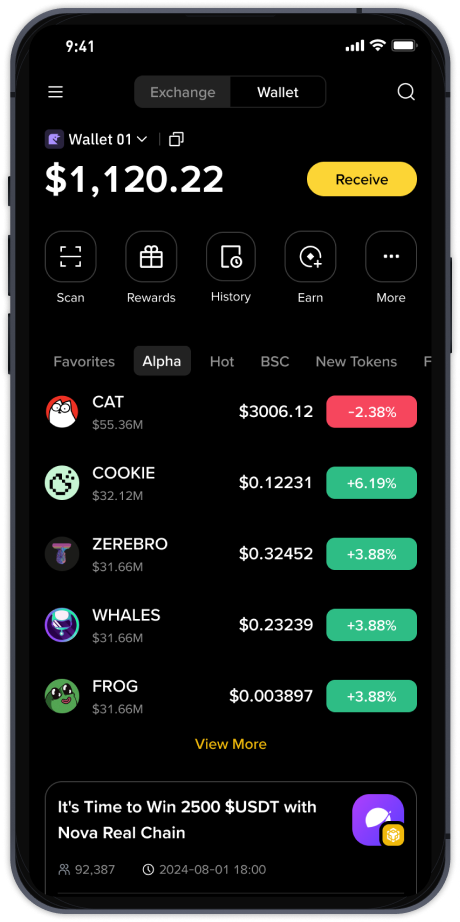
ZB.com, Huobi Global & Binance: A Step-by-Step Trading Guide for 2025
Navigating the world of cryptocurrency trading often begins with choosing the right platform. Among the most recognized names in the industry, ZB.com (formerly known as Zhongcoin), Huobi Global, and Binance have established themselves as major pillars. While their core function—buying and selling digital assets—is the same, each exchange offers a distinct user experience, security protocol, and feature set. This guide breaks down the fundamental operations on each platform, helping you understand how to execute trades effectively.
Getting Started: Account Creation and Security
The first step on any of these three exchanges involves registration. For Binance, the process is typically streamlined. You need to provide an email address, create a password, and complete identity verification (KYC) to unlock higher withdrawal limits and full trading access. Huobi Global follows a similar path, but often requires more detailed identity documentation from the start. ZB.com, while also requiring KYC, has historically been more lenient in certain regions, though current regulations have tightened this. After registration, the most critical step is enabling two-factor authentication (2FA). Both Binance and Huobi offer Google Authenticator and SMS options. ZB.com also provides 2FA but many users prefer the authenticator app over SMS due to security concerns.
Depositing Funds: Fiat vs. Crypto
The way you fund your account differs significantly. Binance is the leader in fiat on-ramps. It supports direct credit/debit card purchases, P2P trading, and third-party payment partners like Banxa. This makes it the easiest for new users to deposit USD, EUR, or local currencies. Huobi Global offers similar P2P functionality, particularly strong for Asian currencies, but its direct card support is less extensive than Binance’s. ZB.com is more crypto-centric. While it does offer some fiat channels, the platform is primarily designed for users who already hold cryptocurrencies like Bitcoin or USDT. For all three platforms, depositing crypto is nearly identical: you navigate to your wallet, select the asset, copy the deposit address, and send funds. Always double-check the network (e.g., ERC20 vs BEP20) to avoid losing assets.
Trading Interfaces: Spot, Margin, and Futures
The trading floor is where the real difference emerges. Binance’s interface is arguably the most sophisticated. It offers three main views: a classic trading screen with a depth chart, a "Lite" mode for beginners, and a "Pro" mode for advanced traders. You can switch between spot trading (buy/sell directly with current market price), margin trading (with leverage), and a vast selection of futures contracts. Huobi Global provides a similarly powerful interface, though its "Smart Trade" feature sets it apart. This allows for one-click stop-loss and take-profit orders on spot trades, which is very user-friendly. ZB.com’s interface is cleaner and less cluttered than the other two, but it lacks many of the advanced charting tools. However, it was historically known for deep liquidity on certain altcoins, making it a preferred choice for traders dealing in lesser-known tokens. To execute a trade on any platform, the basic logic is the same: select the trading pair (e.g., BTC/USDT), choose order type (limit, market, or stop-limit), enter quantity, and confirm.
Withdrawal and Fee Structure
Fees are a critical operational factor. Binance uses a tiered fee structure based on your 30-day trading volume and BNB holdings. The standard spot trading fee is 0.1%, which can drop to 0.075% if you hold BNB. Huobi Global also employs a tiered system, with HT tokens offering similar discounts. ZB.com traditionally had very competitive fees, sometimes lower than the industry average, but its liquidity can be thinner, leading to slippage on large orders. When withdrawing funds, speed varies. Binance and Huobi have fast processing times for most networks, while ZB.com can occasionally be slower due to manual security checks. Always check the withdrawal fee beforehand, as it can change based on network congestion.
Key Takeaways for New Traders
If you value the widest selection of coins and the most advanced features, Binance is your primary destination. If you prefer a robust P2P system and strong support in Asian markets, Huobi Global offers a solid alternative. For traders who are confident in moving crypto and want access to potentially less-liquid altcoins at lower fees, ZB.com remains a viable option. Regardless of your choice, always start with a small test deposit, familiarize yourself with the withdrawal process, and never rely on any single exchange as your sole storage location. Successful operation on these platforms requires patience, careful reading of order books, and a strict adherence to security practices.