How to Trade NFTs on Binance Smart Chain: The Best Exchange and Step-by-Step Guide
Non-fungible tokens, or NFTs, have exploded in popularity, and the Binance Smart Chain has become one of the most cost-effective and efficient blockchains for trading them. If you are looking to buy, sell, or mint NFTs on this network, you might be asking: which exchange should you use, and how exactly do you get started? This guide provides a direct answer and practical steps.
First, it is important to clarify the term "exchange" in this context. While centralized platforms like the Binance main website have an NFT marketplace, many experienced traders prefer dedicated decentralized marketplaces that connect directly to the Binance Smart Chain. The two most prominent platforms for trading BSC-based NFTs are directly integrated with the Binance ecosystem: the official Binance NFT Marketplace and the leading decentralized exchange PancakeSwap. For the best balance of liquidity, security, and user experience, the official Binance NFT Marketplace is the most straightforward recommendation for beginners, while PancakeSwap offers lower fees and a more decentralized experience.
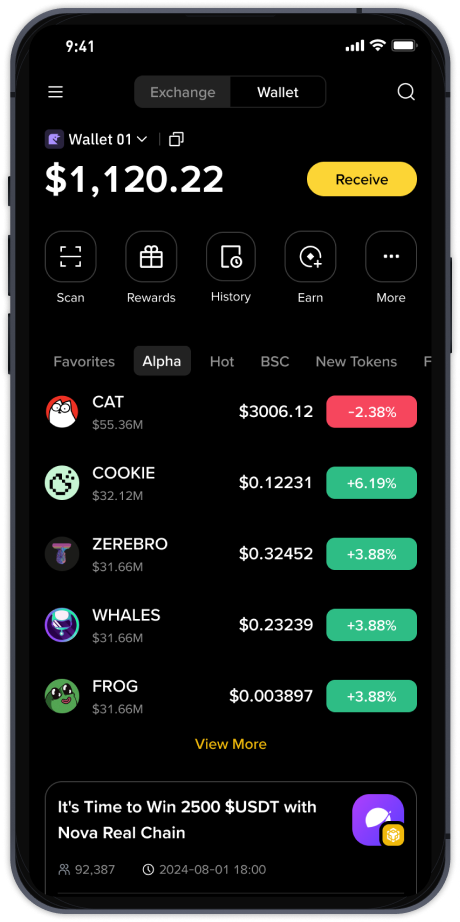
To trade on the official Binance NFT Marketplace, the process begins with a verified Binance account. Once logged in, navigate to the "NFT" section on the Binance website or app. Here, you can connect your wallet or use the built-in Binance account wallet. The advantage of this platform is that you can pay directly with your Binance fiat or crypto balance, without needing to manually manage a separate wallet for gas fees. To buy an NFT, simply browse the marketplace, filter by the Binance Smart Chain collection, and click "Buy Now." The NFT will then be stored securely in your Binance account.
If you prefer a more hands-on, decentralized approach, PancakeSwap is the go-to choice. PancakeSwap is a decentralized exchange built on the BNB Smart Chain, and its NFT marketplace operates through the same liquidity pools. To use it, you need a compatible Web3 wallet like MetaMask or Trust Wallet, and you must add the Binance Smart Chain network manually. After funding your wallet with BNB (for transaction fees) and a specific token (often BUSD or WBNB for purchases), you visit the PancakeSwap website, navigate to the "NFT" section, and select a market. You can place bids or buy items directly. The key difference here is that you pay gas fees in BNB and you retain full custody of your NFTs in your private wallet.
Another highly functional option is Element Market, which aggregates listings from multiple BSC marketplaces. This platform allows you to see the lowest prices across the ecosystem and execute trades directly. You simply connect your wallet, search for the specific NFT collection, and compare prices. This is particularly useful for rare or hyped drops where floor prices vary significantly between platforms.
Regardless of which platform you choose, the technical process is similar. First, ensure you have a wallet that supports the Binance Smart Chain. Second, acquire BNB or a stablecoin like BUSD, as these are the primary trading pairs for most BSC NFTs. Third, always check the "fee" or "gas" cost before confirming a transaction, as network congestion can spike these costs even on a generally low-fee chain like BSC. Finally, be vigilant about phishing links and only use the official URLs of the exchanges mentioned above.
In conclusion, the best exchange for trading NFTs on the Binance Smart Chain depends on your comfort level with custody. For simplicity and security, start with the official Binance NFT Marketplace. For lower fees and autonomy, PancakeSwap is your best bet. For price aggregation, Element Market saves you money. By following these steps and understanding the wallet setup process, you can safely and efficiently participate in the vibrant BSC NFT ecosystem.