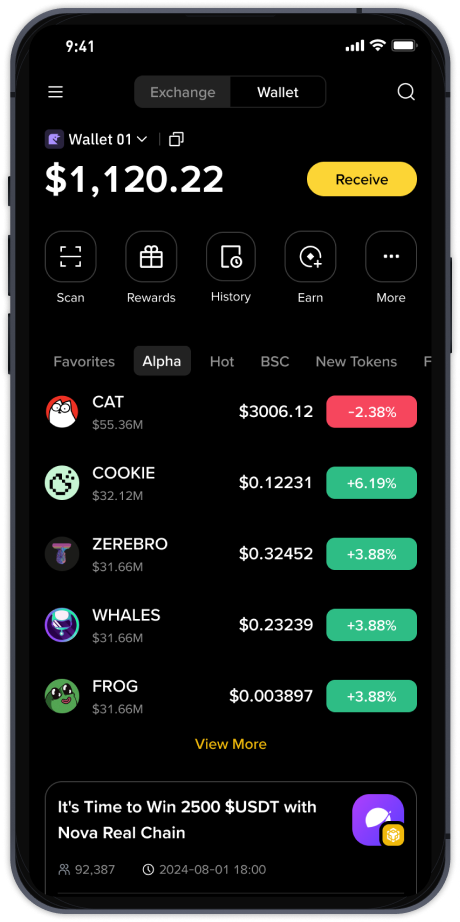
A Beginner's Guide to Using ZB.com, Huobi, and Binance: Top 3 Crypto Exchanges Explained

For anyone stepping into the world of cryptocurrency, understanding how to navigate major exchanges is the first critical step. While the landscape has shifted, three names—ZB.com (formerly known as Chinese ZB), Huobi, and Binance—remain foundational to the industry. This guide breaks down how to use these three platforms, from registration to trading, tailored for both newcomers and experienced users seeking clarity.
1. Binance: The Global Powerhouse
Binance (Binance.com) is the world’s largest cryptocurrency exchange by trading volume. It supports hundreds of coins and offers a wide range of services, from spot trading to futures and staking.
How to use it: Start by creating an account and completing KYC (Identity Verification) for higher withdrawal limits and full access. Once verified, deposit funds using cryptocurrency (or fiat via bank transfer or card, depending on your region). The main "Spot" interface allows you to buy/sell with basic market, limit, and stop-limit orders. Use the "Convert" feature for simple swaps. For advanced users, Binance offers margin trading and the famous Launchpad for new token sales. Download the mobile app for trading on the go.
Key tip: Always enable two-factor authentication (2FA) using Google Authenticator or SMS for security.
2. Huobi: A Trusted Veteran with Advanced Tools
Huobi Global (Huobi.com/wallet), founded in China and now operating globally, is known for its robust security and deep liquidity, especially in Asian markets. It is often considered a solid alternative to Binance.
How to use it: Registration follows a similar flow: email/phone sign-up, then identity verification. Huobi’s platform features a "Pro" mode and a "Lite" mode. For beginners, the Lite mode simplifies buying with a straightforward interface. More advanced users can access Huobi’s spot, margin, and derivatives (futures) markets. A unique feature is Huobi's "OTC" platform, which allows peer-to-peer transactions with third-party payment methods like WeChat or Alipay (though availability varies). Use the "Earn" section to stake crypto or participate in fixed-income products.
Key tip: Huobi requires separate deposit addresses for different assets; always triple-check the network type when withdrawing (e.g., ERC-20 vs. BEP-20).
3. ZB.com: The Niche Performer with Focused Features
ZB.com (ZB.com/global) is a veteran exchange originally from China, now rebranded as a global platform. It is less popular internationally than Binance or Huobi but still offers competitive fees and a dedicated community for certain altcoins.
How to use it: Like the others, account creation and KYC are mandatory. ZB’s interface is simpler and less cluttered than Binance’s. It mainly offers spot trading and a limited selection of futures. A standout feature is the "ZB Token" (ZB) ecosystem, which can be used for fee discounts. Deposits and withdrawals are handled through the "Funds" menu. The "OTC" section works similarly to Huobi’s. However, ZB often lists smaller-cap tokens that may not be available on higher-tier exchanges, making it a useful platform for niche trading.
Key tip: ZB has lower liquidity for many pairs compared to the top two, so use limit orders to avoid slippage.
How to Choose and Use Them Together
Most traders use a combination. For example: Buy major assets (BTC, ETH, USDT) on Binance for the best liquidity, then transfer to Huobi to trade specific altcoins or use OTC services. ZB might be used for fee discounts through its token or for exploring hidden gems. Universal steps for all three:
- Always use a strong, unique password.
- Withdraw unused funds to a private hardware wallet (e.g., Ledger) for long-term storage.
- Be aware of regional restrictions—Binance and Huobi may block users from certain countries (e.g., the US), requiring a VPN or a separate US-based exchange like Coinbase.
In summary, while Binance dominates in size and features, Huobi offers stability and OTC utility, and ZB provides a simpler, niche alternative. Starting with small amounts is the best practice to learn the user interface, fee structures, and withdrawal processes firsthand. Always verify the current status of any exchange before depositing funds, as regulatory environments evolve rapidly.