BNB Binance Wallet Review: Is It Safe & Worth Using for Crypto in 2025?

When exploring the cryptocurrency ecosystem, one of the first questions users ask is, "How good is the BNB Binance wallet?" This query often stems from a desire to find a reliable, user-friendly, and secure way to manage their BNB tokens and other digital assets. To fully understand its value, it's useful to break down the core aspects that define this wallet's performance.
First, it's important to distinguish between the two main types of "BNB Binance wallets." The first is the built-in wallet within the Binance centralized exchange (CEX). This wallet is custodial, meaning the exchange holds your private keys. It's exceptionally convenient for trading, staking, and accessing Binance Launchpad events. However, it exposes users to "counterparty risk" – if the exchange faces security issues or regulatory trouble, your assets could be affected. The second, and often more recommended option for long-term storage, is the Binance Chain Wallet or the Binance Web3 Wallet. These are non-custodial wallets that give you full control over your private keys. This distinction is the most critical factor in determining whether this wallet is "good" for you.
For users who prioritize active trading and liquidity, the exchange-integrated wallet offers unparalleled speed. You can instantly move BNB between spot, margin, and futures accounts without network fees. The integration with staking pools also allows BNB holders to earn Passive Income through Simple Earn or by participating in Launchpool, where you stake BNB to farm new tokens. The user interface is intuitive, even for beginners, and the mobile app provides 24/7 access.
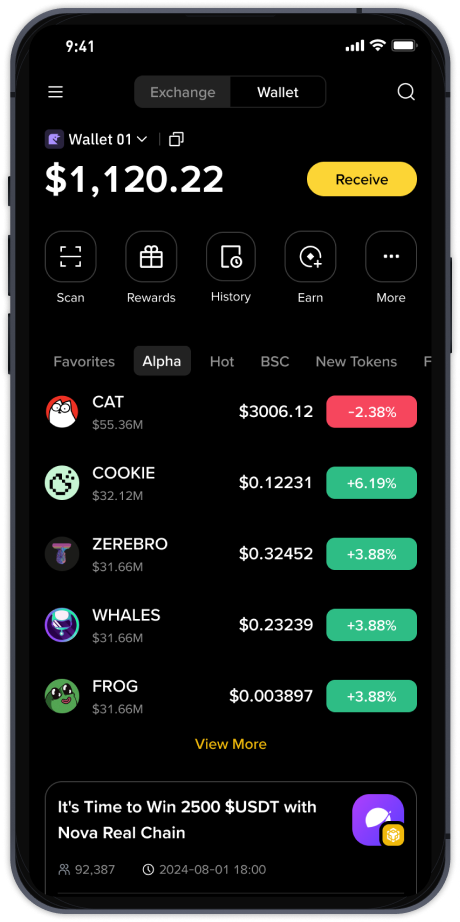
However, for those concerned with the principle of "not your keys, not your coins," the Binance Web3 Wallet is a stronger candidate. It acts as a gateway to the Binance Smart Chain (BSC) ecosystem. This non-custodial wallet allows you to interact directly with decentralized applications (dApps), such as PancakeSwap for trading or Venus for lending. The transaction fees on BSC are significantly lower than on Ethereum, making it highly cost-effective for frequent transactions. The wallet also supports multiple chains, including Ethereum and BNB Chain, through the same seed phrase, which adds flexibility for multi-chain users.
Security features in both versions are robust. The exchange wallet relies on Binance's SAFU (Secure Asset Fund for Users) insurance, which provides a layer of protection against hacks. The Web3 wallet encourages users to enable biometric locks and maintain secure backups of their seed phrase offline. The biggest risk for Web3 wallet users is phishing scams and malicious dApps, not the wallet software itself.
One common pain point for new users is the complexity of switching between these two wallet modes within the Binance app. Users often accidentally try to withdraw from the exchange wallet to a Web3 address and get confused by the different network options (BEP-2 vs. BEP-20). Understanding that BEP-20 is the standard for BNB Smart Chain tokens is essential to avoid losing funds.
In conclusion, the "BNB Binance wallet" is not a single tool but a spectrum of solutions. For active traders who trust the exchange's custody, the integrated wallet is excellent due to its liquidity and yield opportunities. For users who value sovereignty and want to explore DeFi on BSC, the Web3 wallet provides a safe and low-cost entry point. It is not inherently better or worse than competitors like MetaMask or Trust Wallet; it simply offers a more seamless integration with the Binance ecosystem for those who already use the exchange. Choosing the right mode depends entirely on your personal risk tolerance and how you plan to use your BNB.